
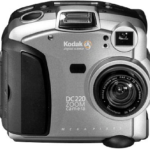
 Since the previous century I have been saving my digital photos. My first camera was the Kodak DC220, a bulky 1‑megapixel device with an enormous battery consumption. After that came a Canon Digital Elph, a Canon Ixus, and eventually my current Canon Powershot G7X. Probably my last dedicated camera, because these days I take almost all my photos with my phone. I always have it with me, so taking a photo is much easier but it also means I think less about it, and a lot of digital clutter ends up in the mix.
A few times a year I add the photos from my camera and phone to my archive. That archive started small: maybe 30 or 40 photos per year. But taking photos has become so easy, and sharing or receiving photos so normal, that I now have years with more than 10,000 photos. Far too many, of course. Sometimes I even feel like a kind of digital hoarder: someone who fills their house with everything they can get their hands on, but digitally. Every little screenshot, every failed photo, every duplicate shot ends up somewhere in a folder. It piles up without me noticing, to the point where the archive feels more like a digital storage unit than a collection of memories. By deliberately pruning, I make the archive usable again, a collection I can browse without feeling overwhelmed, where the photos that remain actually say something about that year and about my/our life. That, to me, is the essence of selecting an archive.
That’s why I introduced a clear rule: about 100 photos per year. And for big events, a maximum of 100 photos per event. The focus is on photos with family and friends, supplemented with a few landscapes or nature shots that truly add something. It’s the same logic as my paper albums. I do look at those from time to time, precisely because they only contain the photos that matter.
100 photos per year, 26 years, plus a few major events. Still a substantial collection, but finally one I can view, cherish, and maintain. An archive that works as an archive again, and not as a digital basement full of forgotten files. A way to preserve memories without drowning in the sheer amount.

 The whole family is happy with our new
  Her enclosure is about three times larger than the one she had in the pet store, where she lived with seven siblings. We built the entire setup ourselves, except for the running wheel. It consists of a large plastic bin, a food dish, and a water supply. There are a few tree trunks where she can hide, a wooden house with a slanted roof, and half a coconut with a convenient entrance. The floor is covered with a generous layer of paper for digging, along with a container of dried grass. She also has quite a few toilet paper roll puzzles, where we occasionally hide some food.
 Not only is Pel an incredibly sweet housemate, but she is also very photogenic. So, we held a little photo session at home.


 (
(
